
How Arrest Warrants Work in Floyd County
An arrest warrant, under Texas Code of Criminal Procedure Chapter 15, is a written order from a magistrate. It tells a peace officer to arrest someone. A sworn complaint comes first. That complaint must name the accused or describe the person definitely enough for identification, state the offense, and set out when and where it allegedly happened as definitely as possible. The affiant signs it. The magistrate then reviews the complaint for probable cause before issuing any process. In Floyd County, felony matters generally travel the 110th District Court and District Clerk route. County Court and the lower courts handle whatever falls within their own authority. Bond terms and court dates live in the specific case file. The label "arrest warrant" alone settles none of that.
Floyd County Arrest Warrant Record Path
Floyd County's felony and general-jurisdiction docket sits in the 110th District Court. The District Clerk keeps its district criminal and felony files. Published county contacts place the court at 105 S Main, Room 204, with the clerk in Room 207. Room numbers matter here. For a County Court criminal matter, call that court directly rather than assuming the district file contains it.
110th District Court
105 S Main Street, Room 204, Floydada
806-983-3384
The Texas Judiciary directory helps locate the court; it is not a warrant search.
Arrest Warrants: What They Contain
Floyd County posts no public sample arrest-warrant listing. The exact display stays unknown. Texas booking-sheet attachments and Chapter 15 offer typical fields, but they do not prove Floyd County uses the same ones in a public record. Ask the office directly for the issuing court, case reference, offense, bond terms, current status, and the agency holding the process.
| Warrant reference | Floyd format not published; do not infer it from a case number. |
|---|---|
| Case and issuer | Cause number, issuing court, judge or magistrate, and issue date. |
| Offense | Description and felony or misdemeanor classification, if public. |
| Complaint or affidavit | Reference to the sworn factual basis; access can be restricted. |
| Bond | Ask the court or jail for current amount and type; no Floyd schedule is published. |
| Status and agency | Active, served, recalled, or quashed, plus the holding or serving agency. |
Floyd County Warrant Complaint Review
A complaint is a sworn statement charging an offense. Under Chapter 15, its facts must give the magistrate probable cause. The warrant itself is a separate document with its own access rules. A clerk can explain which parts of a public Floyd County case file you may request, and an attorney can advise on anything sealed or still pending.
- Probable cause
- Facts that give a magistrate a reasonable basis for the warrant action.
- Affidavit
- A sworn factual statement that may support a warrant request.
- Magistrate
- A judicial officer authorized to review process and perform related duties.
Chapter 15 sets Texas arrest-warrant and complaint rules.
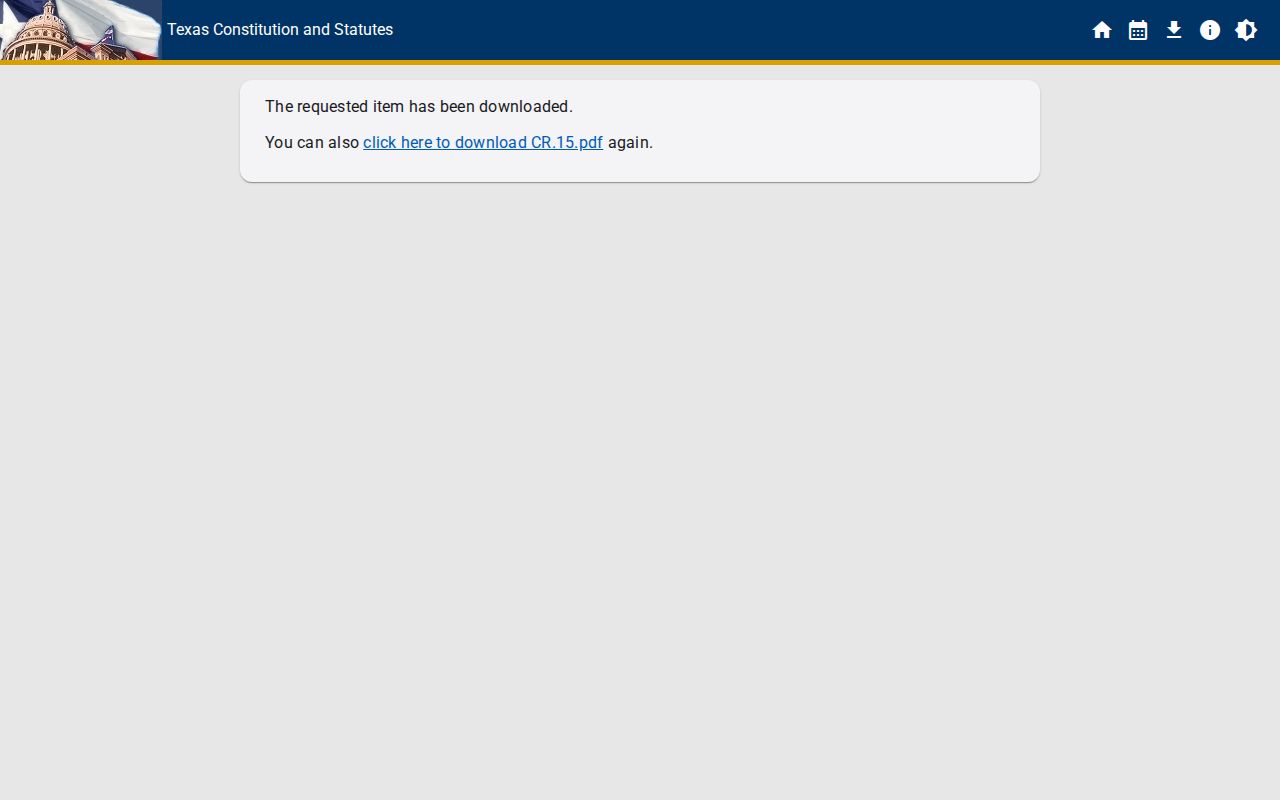
The statute image shows the state process, not a private Floyd County case.
How Warrants Get Served in Floyd County
The Floyd County Sheriff's Office is the published countywide law-enforcement contact. Floydada posts its own police department contact page. Lockney routes uniformed dispatch to the sheriff. The county publishes no serving-assignment chart, and there is no constable office, warrant-unit line, or public surrender instruction. Other peace officers and federal partners can take part when authorized. Under Article 15.26, an officer executing an arrest warrant must make the authority known and show the warrant on request, subject to the statute. Article 15.16 requires prompt presentation to a magistrate. Bond is a separate court decision. Call the issuing court or a lawyer first to ask about booking, magistrate timing, and whether a bond or another hold applies.
Floyd County Multiagency Warrant Service
Local reporting from February 2025 described a Floyd County felony-warrant operation. The Sheriff's Office, Floydada Police, U.S. Marshals, and a regional tactical partner took part. Coordination like that is common. A separate 2024 report noted sheriff deputies receiving SWAT help during a service. It is not a warrant list. It also says nothing about any private case. The real lesson is that a warrant can be held or served by an agency other than the court that issued it. Ask the court who controls the case. Then ask the sheriff or the named agency whether it has received the process. Federal matters skip the county search entirely. The 2025 local report describes that agency coordination without reproducing a roster.
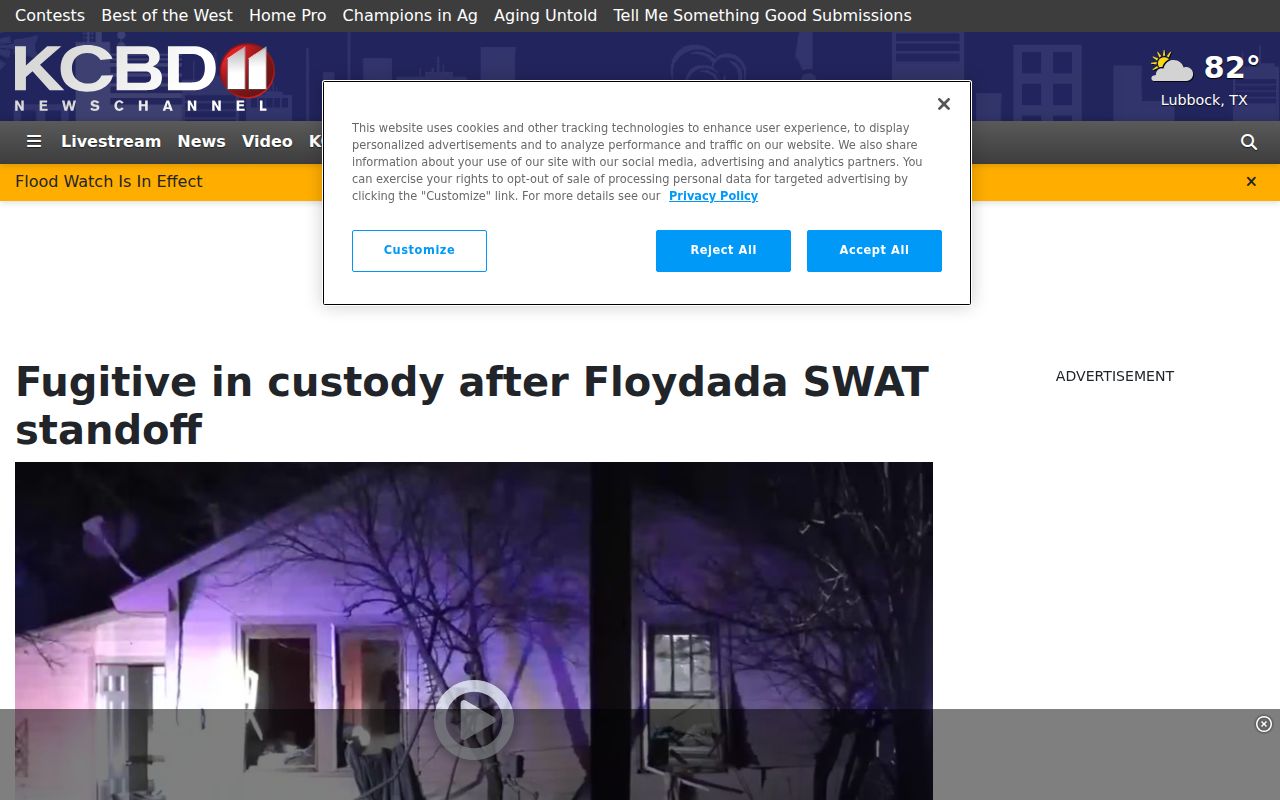
The reporting above covers coordinated warrant service in Floyd County, not any individual or specific case record.
Arrest Warrants, Summonses, and Bench Warrants
Each instrument does a different job. An arrest warrant commands an officer to take a person into custody. A summons just calls you to court. No arrest comes with it. A bench warrant typically follows a missed appearance or another unmet obligation in an existing Floyd County case. Ask which instrument was issued and which judge or magistrate controls it.
| Feature | Arrest Warrant | Summons | Bench Warrant |
|---|---|---|---|
| What it orders | Arrest by an authorized officer | Appearance at a stated time | Production after a court duty was missed |
| Basis | Probable cause of an offense | Notice to appear | Failure to appear or comply |
| Who issues it | Magistrate under Chapter 15 | Court or authorized officer | Judge handling the pending matter |
| How to respond | Contact counsel and issuing court | Appear as directed | Ask about reset or recall |
Federal Warrants Follow a Separate Route
Federal warrants never travel through Floyd County courts. The two systems are separate. Floyd County sits in the Northern District of Texas, with public federal locations in Amarillo and Lubbock. U.S. Marshals serve federal warrants. They may work alongside local agencies. A county call can help with a local court process only. It cannot confirm a sealed or federal warrant. PACER offers federal docket access, not a simple public warrant self-check. Sealed complaints may stay out of view until a court permits access, and CourtListener with RECAP can surface some docket records without serving as official confirmation. If a federal matter seems possible, ask an attorney or the federal court for the right route before traveling. PACER's federal docket service explains its account and access process.
Handling an Arrest Warrant in Your Name
Start by confirming which court issued the warrant and where the case stands right now. Then talk to a criminal-defense attorney. Ask about an attorney-arranged surrender, bond, a motion to recall or quash, and when a magistrate appearance would happen. Floyd County posts no bond schedule, no jail payment window or method, and no safe-surrender form. And a paid traffic fine will not resolve a felony arrest warrant or a hold from another court.
Important: Speak with a lawyer before appearing; confirm the issuing court, bond terms, booking location, and whether another hold exists.
Floyd County Juvenile Warrant Access
Some Floyd County warrant information stays closed off from the public, and the reason matters. Texas Family Code §58.010 makes a child's arrest warrant confidential, along with the supporting complaint or affidavit. Only listed justice-system recipients and the juvenile court itself can grant access. That is a specific confidentiality rule, not a gap in public warrant search options. Sealed adult records and investigation material carry their own separate limits. For a public-record question, contact the office holding the file and ask what it can release. A Texas Public Information Act request does not override a confidentiality statute. A missing online entry proves nothing about a juvenile or sealed matter in Floyd County. Texas Family Code Chapter 58 spells out the juvenile confidentiality provisions.
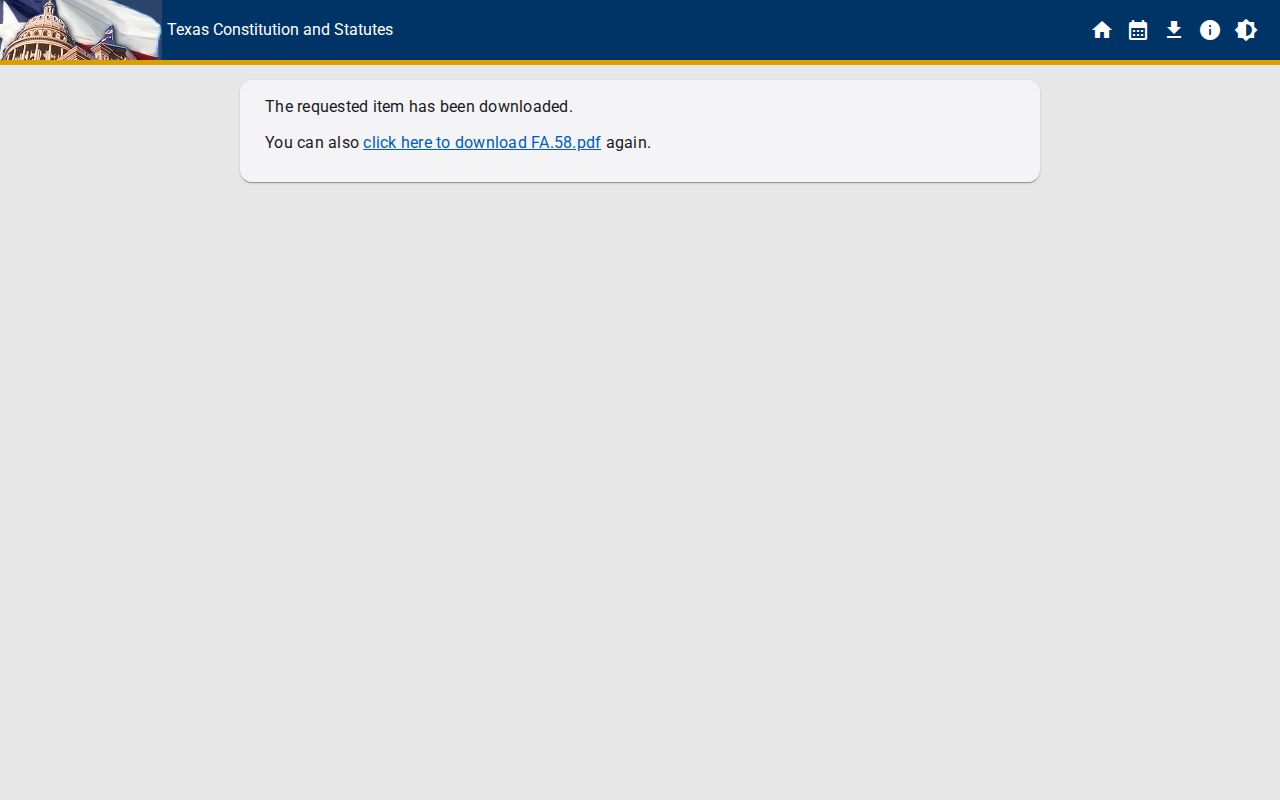
Even where other Floyd County court records are public, this law keeps covered child records off limits.